

Digital vs Physical: Finding the Right Balance for Your Law Library
In the 21st century, the legal profession is undergoing rapid transformation. Nigerian lawyers and law students now face a crucial question: Should I focus on building a physical law library, or lean more on digital resources?
The truth is, both matter. Each comes with unique strengths and limitations. The key to professional growth lies in finding the right balance that fits your career stage, practice needs, and resources.
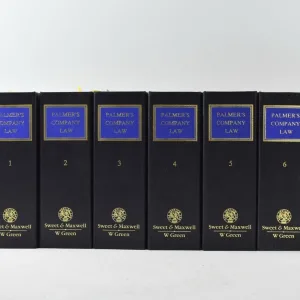 📚 The Case for Physical Books
For centuries, physical law libraries have been the backbone of legal education and practice. Walking into a chamber or faculty library lined with shelves of casebooks, reports, and statutes carries a sense of authority and tradition.
Here’s why physical books still matter today:
1. Reliability: Books don’t run on electricity, internet data, or devices. Whether you’re in court, chambers, or a rural setting with poor connectivity, physical books never fail you.
2. Credibility: A physical library signals seriousness. For lawyers, it enhances your reputation before clients and colleagues. For universities, it is a core requirement for NUC accreditation.
3. Deep Learning: Studies show that reading from physical texts helps comprehension and retention, which is crucial for mastering dense legal concepts.
4. Historical Preservation: Many classic Nigerian law texts and reports are still only available in print, making them irreplaceable.
💻 The Power of Digital Resources
Digital tools have opened up new frontiers in legal research and practice. With the rise of e-books, online databases, and mobile-friendly resources, today’s lawyer can carry an entire library in their pocket.
Advantages of digital resources include:
1. Instant Access: You can download a PDF of the Evidence Act or quickly search through Nigerian Law Reports without flipping through pages.
2. Portability: Hundreds of materials can be stored on a tablet, laptop, or smartphone — making study sessions or trial preparations far easier.
3. Real-Time Updates: Digital platforms provide the latest cases, statutes, and amendments, ensuring your knowledge is never outdated.
4. Collaboration: With cloud-based tools, lawyers and students can share materials and notes seamlessly.
However, digital tools depend heavily on power and internet access, which can sometimes be unreliable in Nigeria.
⚖️ Striking the Right Balance
So, how do you know what balance works best for you? It depends on your stage of growth:
Law Students: Start with foundational physical texts such as Nigerian Law of Contract by Sagay, Criminal Law in Nigeria by Okonkwo & Naish, and Evidence in Nigeria by Aguda. Use digital tools for case law updates, journal articles, and exam preparation.
Young Lawyers: Invest in a few hard copy practice books (civil procedure, trial advocacy, company law), while using digital resources to stay current with judgments and emerging practice areas like cyber law.
Established Practitioners: Build and maintain a robust physical chamber library for credibility and staff training, while adopting subscription-based digital databases for speed and convenience.
Universities & Faculty Libraries: For NUC accreditation, a substantial physical library is non-negotiable. But complementing it with digital subscriptions creates a hybrid learning environment fit for the 21st century.
🌟 Princess Legal World’s Recommendation
At Princess Legal World, we understand that building a law library is both an academic necessity and a professional investment. That’s why we provide:
Authentic Nigerian textbooks across all core legal subjects.
Law reports and procedural rules in both updated and classical editions.
Support for universities and law faculties preparing for NUC accreditation.
Affordable plans for students and young lawyers, including group discounts and payment installments.
✨ Final Word
The 21st-century Nigerian lawyer must be rooted in tradition yet adaptable to technology. Physical books give you authority and credibility. Digital tools give you speed and access. Together, they equip you for excellence.
At the end of the day, it’s not about choosing one over the other. It’s about creating a hybrid library that prepares you not just for exams or cases, but for a long, impactful legal career.
Perfectly noted ✅
Since it’s a blog post for Princess Legal World, I’ll expand it, make it more detailed, well-structured, and engaging for readers (Nigerian law students, young lawyers, and established practitioners).
Here’s the more comprehensive blog article:
Digital vs Physical: Finding the Right Balance for Your Law Library
In the 21st century, the legal profession is undergoing rapid transformation. Nigerian lawyers and law students now face a crucial question: Should I focus on building a physical law library, or lean more on digital resources?
The truth is, both matter. Each comes with unique strengths and limitations. The key to professional growth lies in finding the right balance that fits your career stage, practice needs, and resources.
📚 The Case for Physical Books
For centuries, physical law libraries have been the backbone of legal education and practice. Walking into a chamber or faculty library lined with shelves of casebooks, reports, and statutes carries a sense of authority and tradition.
Here’s why physical books still matter today:
1. Reliability: Books don’t run on electricity, internet data, or devices. Whether you’re in court, chambers, or a rural setting with poor connectivity, physical books never fail you.
2. Credibility: A physical library signals seriousness. For lawyers, it enhances your reputation before clients and colleagues. For universities, it is a core requirement for NUC accreditation.
3. Deep Learning: Studies show that reading from physical texts helps comprehension and retention, which is crucial for mastering dense legal concepts.
4. Historical Preservation: Many classic Nigerian law texts and reports are still only available in print, making them irreplaceable.
💻 The Power of Digital Resources
Digital tools have opened up new frontiers in legal research and practice. With the rise of e-books, online databases, and mobile-friendly resources, today’s lawyer can carry an entire library in their pocket.
Advantages of digital resources include:
1. Instant Access: You can download a PDF of the Evidence Act or quickly search through Nigerian Law Reports without flipping through pages.
2. Portability: Hundreds of materials can be stored on a tablet, laptop, or smartphone — making study sessions or trial preparations far easier.
3. Real-Time Updates: Digital platforms provide the latest cases, statutes, and amendments, ensuring your knowledge is never outdated.
4. Collaboration: With cloud-based tools, lawyers and students can share materials and notes seamlessly.
However, digital tools depend heavily on power and internet access, which can sometimes be unreliable in Nigeria.
⚖️ Striking the Right Balance
So, how do you know what balance works best for you? It depends on your stage of growth:
Law Students: Start with foundational physical texts such as Nigerian Law of Contract by Sagay, Criminal Law in Nigeria by Okonkwo & Naish, and Evidence in Nigeria by Aguda. Use digital tools for case law updates, journal articles, and exam preparation.
Young Lawyers: Invest in a few hard copy practice books (civil procedure, trial advocacy, company law), while using digital resources to stay current with judgments and emerging practice areas like cyber law.
Established Practitioners: Build and maintain a robust physical chamber library for credibility and staff training, while adopting subscription-based digital databases for speed and convenience.
Universities & Faculty Libraries: For NUC accreditation, a substantial physical library is non-negotiable. But complementing it with digital subscriptions creates a hybrid learning environment fit for the 21st century.
🌟 Princess Legal World’s Recommendation
At Princess Legal World, we understand that building a law library is both an academic necessity and a professional investment. That’s why we provide:
Authentic Nigerian textbooks across all core legal subjects.
Law reports and procedural rules in both updated and classical editions.
Support for universities and law faculties preparing for NUC accreditation.
Affordable plans for students and young lawyers, including group discounts and payment installments.
✨ Final Word
The 21st-century Nigerian lawyer must be rooted in tradition yet adaptable to technology. Physical books give you authority and credibility. Digital tools give you speed and access. Together, they equip you for excellence.
At the end of the day, it’s not about choosing one over the other. It’s about creating a hybrid library that prepares you not just for exams or cases, but for a long, impactful legal career.