

From Courtroom to Client Meetings: How Lawyers Should Dress Outside Court Without Losing Professional Authority
For many lawyers, courtroom dressing rules are clear and strictly followed. The real challenge often arises outside the courtroom — during client meetings, consultations, conferences, mediations, and office work. Dressing too casually can weaken professional authority, while overdressing may feel awkward or impractical.
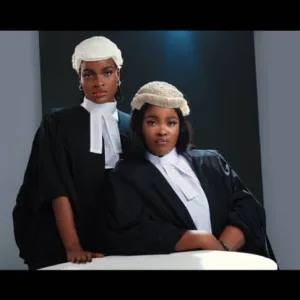 The key is understanding how to maintain the dignity of the legal profession beyond the wig and gown. At Princess Legal World, we believe that professional appearance should remain consistent wherever legal services are being rendered.
1. Why Dressing Outside Court Still Matters
Clients often meet their lawyers for the first time outside the courtroom. At that moment, your appearance forms the foundation of trust, confidence, and credibility.
How you dress outside court communicates:
Professional competence
Attention to detail
Respect for clients
Authority and reliability
A lawyer’s appearance should reassure clients that they are in capable hands.
2. The Golden Rule: Professional, Not Casual
Legal dressing outside court should never be casual. Even without a wig and gown, lawyers must maintain a structured and polished look.
Avoid:
Jeans or distressed trousers
T-shirts or casual tops
Sneakers or sandals
Loud colours or bold patterns
Professional authority thrives on simplicity and structure.
3. Ideal Dressing for Client Meetings
For Female Lawyers
Tailored suits (black, navy, grey, beige)
Plain blouses with modest necklines
Knee-length skirts or well-fitted trousers
Closed-toe shoes or low heels
Minimal jewellery and neutral makeup
For Male Lawyers
Well-tailored shirts (long-sleeve preferred)
Formal trousers or chinos
Blazers or suit jackets
Black or brown leather shoes
Neatly groomed hair and facial hair
Neutral colours project confidence and seriousness.
4. Smart Casual vs Professional: Know the Difference
Smart casual does not mean casual dressing. For lawyers, smart casual still requires:
Clean lines
Structured clothing
Modest designs
Professional footwear
Blazers, loafers (without embellishments), and neutral-coloured shirts help maintain authority even in relaxed settings.
5. Dressing for Legal Events and Conferences
At seminars, workshops, and conferences, your appearance represents both you and the profession.
Recommended options include:
Corporate suits
Dress shirts with blazers
Simple dresses with structured cuts
Comfortable but formal shoes
Avoid flashy outfits that distract from your professional identity.
6. Grooming and Accessories Still Matter
Professional dressing extends beyond clothing.
Grooming Tips
Hair should be neat and controlled
Nails should be clean and short
Makeup should be subtle
Fragrance should be light
Accessories
Simple watches
Minimal jewellery
Professional bags or briefcases
Over-accessorising weakens authority.
7. Common Mistakes Lawyers Make Outside Court
Dressing too casually because they are “not in court”
Wearing trendy outfits unsuitable for professional settings
Overusing perfume or makeup
Carrying unprofessional bags
Mixing casual shoes with formal outfits
Consistency is key to maintaining professional identity.
8. Building a Consistent Legal Image
A lawyer’s personal brand does not switch on and off with courtroom appearances. Clients and colleagues expect professionalism at all times.
When your appearance is consistent:
Clients trust you more
You command respect naturally
You reinforce your professional identity
You represent the legal profession positively
Princess Legal World encourages lawyers to view professional dressing as part of their advocacy toolkit.
Final Thoughts
Whether in court, in chambers, or meeting clients, a lawyer’s appearance should always reflect professionalism, discipline, and authority. You may remove the wig and gown outside court, but you must never remove the dignity of the profession.
At Princess Legal World, we support legal professionals with courtroom attire and professional guidance that extends beyond the courtroom — because legal excellence is visible before it is heard.